
- Your cart is empty
- Continue Shopping

What Is the Best Medicine for Fatty Liver? A Complete Guide
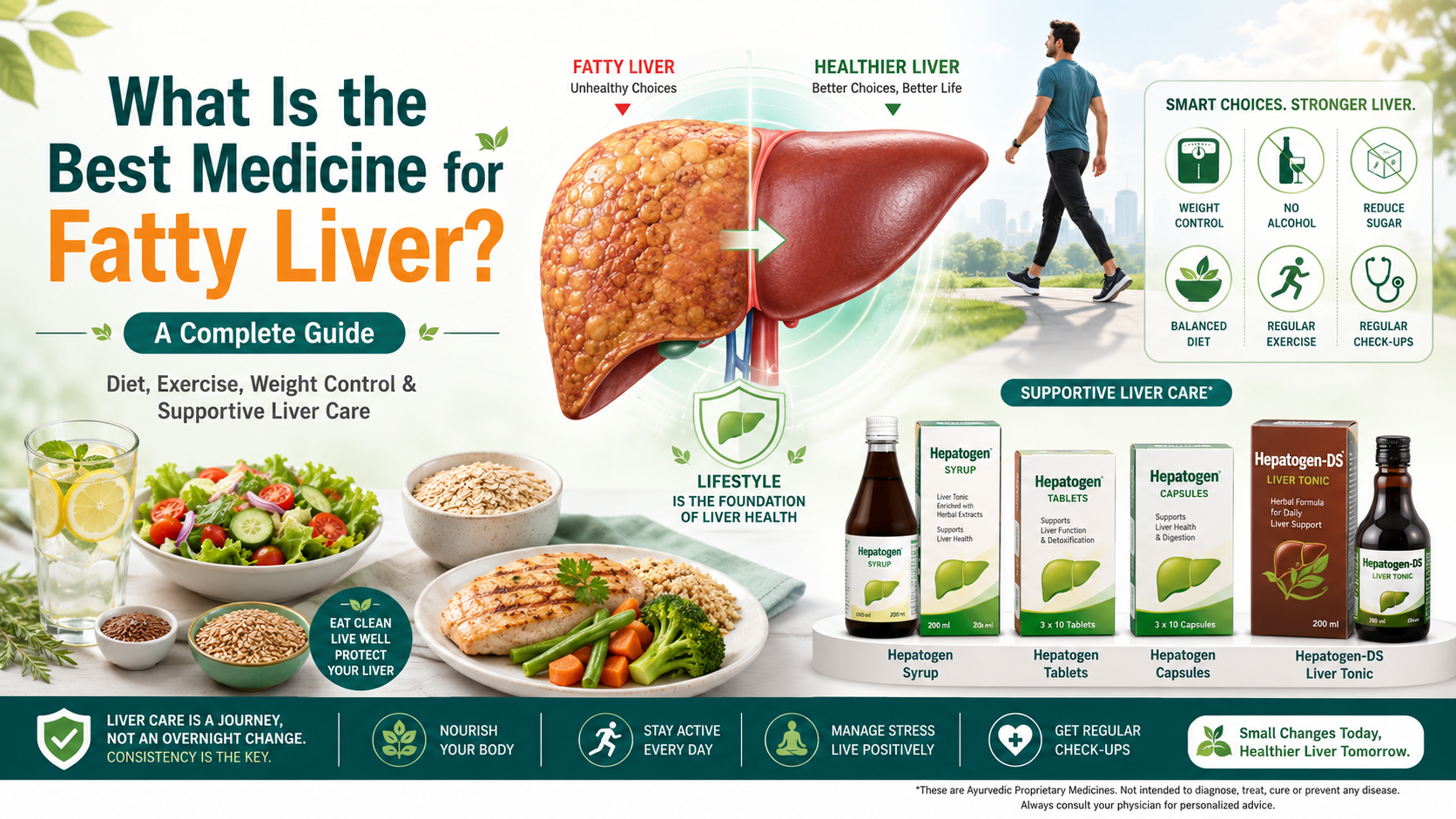
Fatty liver has become one of the most common liver-related concerns in today’s lifestyle. Many people search for terms like best medicine for fatty liver, fatty liver tablet name, best medicine for fatty liver grade 2, liver care medicine, and liver tonic for fatty liver because they want a quick and reliable solution. But fatty liver is not usually corrected by one tablet alone. It is a lifestyle-linked liver condition that needs the right combination of diet improvement, weight control, exercise, medical guidance, and liver wellness support.
Fatty liver means extra fat has started collecting inside liver cells. A small amount of fat in the liver may not create a major problem, but when fat accumulation increases, it can affect normal liver function. In many cases, fatty liver does not show strong symptoms in the beginning. People usually discover it during an ultrasound, liver function test, or routine health check-up.
The liver is one of the most important organs in the body. It supports digestion, filters toxins, helps process nutrients, stores energy, and plays a major role in metabolism. When the liver becomes overloaded with excess fat, poor diet, alcohol, obesity, diabetes, or high cholesterol, its working efficiency can reduce over time. That is why fatty liver should not be ignored, especially if the report shows Grade 2 or Grade 3 fatty liver.
What Causes Fatty Liver?
Fatty liver usually develops when the liver receives or produces more fat than it can properly process. This extra fat starts accumulating inside liver cells. The most common causes include high-calorie diet, obesity, diabetes, insulin resistance, high triglycerides, high cholesterol, alcohol intake, lack of exercise, and unhealthy eating habits.
People who regularly consume sugary drinks, sweets, fried food, bakery products, packaged snacks, processed food, and refined carbohydrates are at higher risk. Long sitting hours, late-night meals, stress, poor sleep, and lack of physical activity can make the condition worse.
Non-alcoholic fatty liver disease is commonly associated with obesity, type 2 diabetes, abnormal cholesterol, high triglycerides, and metabolic syndrome. Lifestyle correction and weight loss are considered important parts of fatty liver management.
Alcohol is another major reason for liver stress. Regular alcohol consumption can damage liver cells and increase fat accumulation. Even if a person eats healthy food, alcohol can still put pressure on the liver. Some people may also develop fatty liver because of thyroid disorders, PCOS, sleep apnea, certain medicines, rapid weight change, or family history.
Fatty Liver Grade 1, Grade 2 and Grade 3
Ultrasound reports often mention Grade 1 fatty liver, Grade 2 fatty liver, or Grade 3 fatty liver. These grades describe the level of fat seen in the liver during imaging.
Grade 1 fatty liver usually means mild fat accumulation. At this stage, many people do not feel symptoms, and lifestyle changes can help a lot.
Grade 2 fatty liver means moderate fat accumulation. This stage needs more serious attention because the liver is already under metabolic pressure. People searching for best medicine for fatty liver grade 2 should understand that medicine alone is not enough. Diet, exercise, weight control, and regular testing are very important.
Grade 3 fatty liver means severe fat accumulation. This stage should not be ignored. A doctor may suggest further tests such as liver function test, lipid profile, blood sugar test, HbA1c, hepatitis screening, FibroScan, or other investigations.
The grade on ultrasound does not always show the full liver condition. A person with Grade 2 fatty liver may have normal liver enzymes, while another person with mild fatty liver may have inflammation. That is why medical evaluation is important.
Is There One Best Medicine for Fatty Liver?
There is no single universal best medicine for fatty liver that works for everyone. The right treatment depends on the cause, grade, liver test results, body weight, sugar level, cholesterol level, alcohol intake, and overall health condition.
For many people, the main treatment begins with lifestyle correction. Weight loss, healthy diet, portion control, and regular exercise can improve fatty liver. Mayo Clinic states that treatment for MASLD usually starts with weight loss through healthy diet, portion control, and exercise.
In some cases, doctors may prescribe medicines to control related problems. For example, if the patient has diabetes, sugar-control medicines may be given. If triglycerides or cholesterol are high, lipid-control medicines may be suggested. If obesity is a major factor, weight-management treatment may be advised.
In 2024, the U.S. FDA approved resmetirom for adults with noncirrhotic NASH with moderate to advanced liver fibrosis, to be used along with diet and exercise. This is not for every fatty liver patient; it is for a specific diagnosed condition and must be used only under medical supervision.
So, when people search fatty liver tablet name, the correct answer is that the best medicine depends on the patient’s actual condition. Self-medication is not safe.
Why Lifestyle Is the Real Foundation of Fatty Liver Treatment
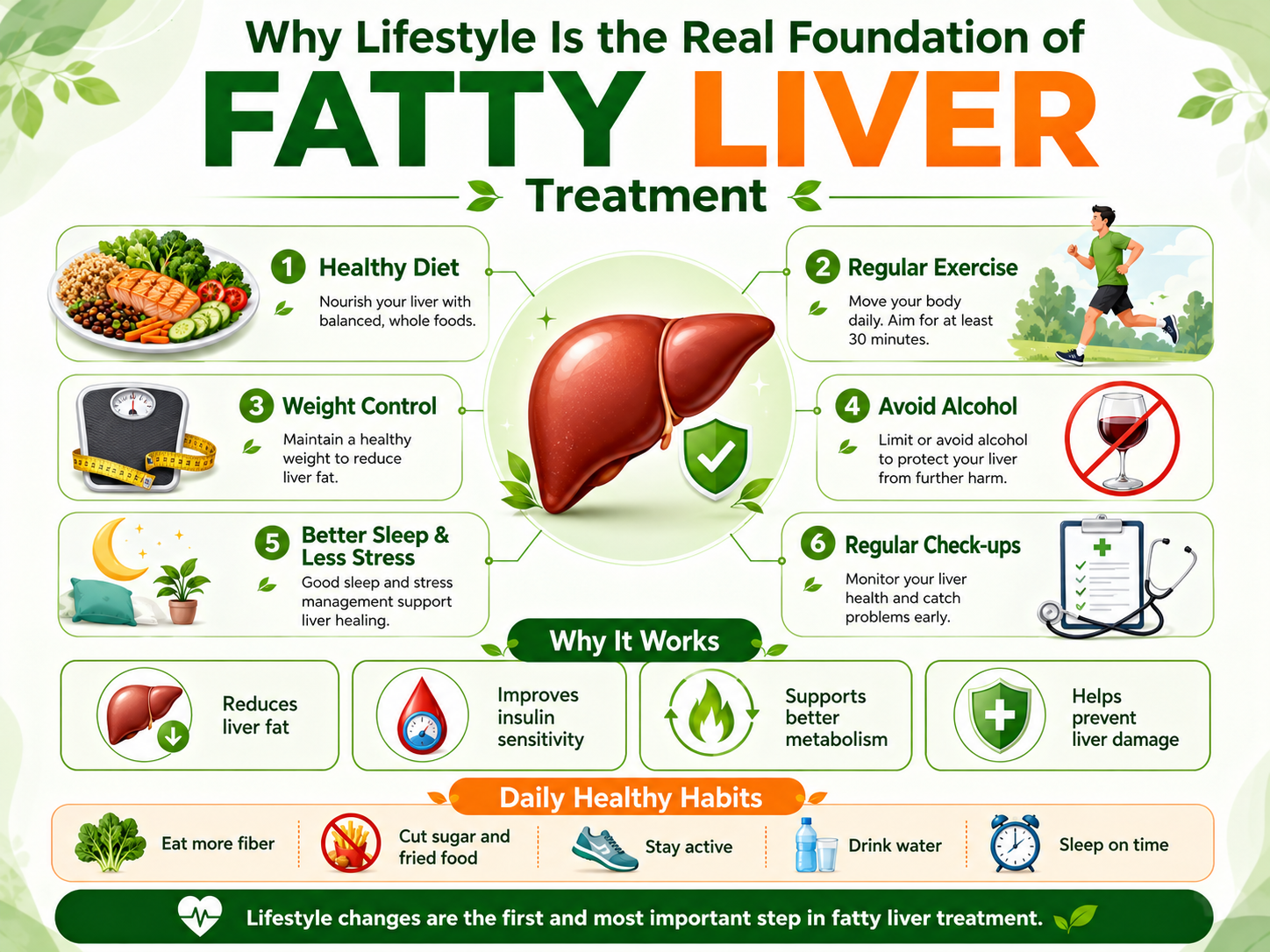
Fatty liver is strongly connected with daily habits. If a person continues eating fried food, sweets, cold drinks, heavy meals, and alcohol, then no liver tablet can give long-term improvement. The liver needs consistent care.
A good fatty liver routine should include:
Reduce sugar, sweets, cold drinks, and packaged juices. Avoid deep-fried food, bakery items, fast food, processed snacks, and excess refined carbohydrates. Eat more vegetables, salad, pulses, whole grains, curd, lean protein, and fiber-rich food. Maintain healthy body weight. Walk or exercise daily. Avoid alcohol. Sleep properly. Do not eat heavy food late at night. Control diabetes, cholesterol, and blood pressure.
Weight loss is one of the most important steps if the person is overweight. NIDDK notes that losing at least 3% to 5% of body weight may reduce liver fat, while higher weight loss may be needed to reduce inflammation and fibrosis.
Exercise is also very helpful because it improves metabolism, reduces belly fat, supports insulin sensitivity, and helps the liver process fat better. Even a daily 30–45 minute walk can make a meaningful difference when followed consistently.
Common Symptoms of Fatty Liver
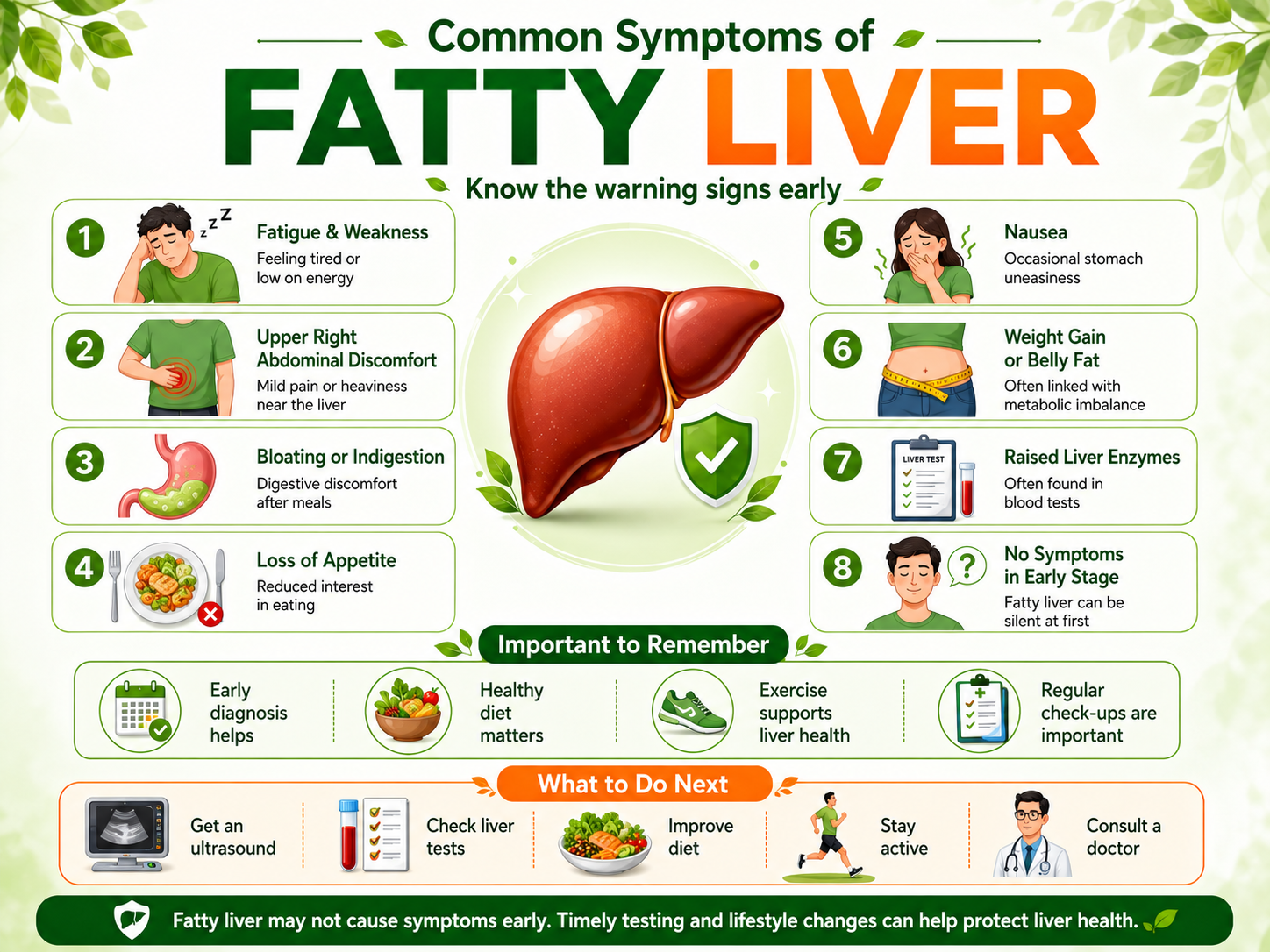
Fatty liver is often silent in the early stage. Many people do not feel any major symptom. That is why routine testing becomes important. However, some people may experience tiredness, heaviness in the upper right side of the abdomen, bloating, indigestion, low energy, poor appetite, weight gain around the belly, or abnormal liver function test results.
In advanced stages, symptoms may become serious. These may include yellow eyes, yellow skin, swelling in legs, fluid in the abdomen, severe weakness, vomiting blood, confusion, or unexplained weight loss. Such symptoms need immediate medical attention.
Fatty liver can progress in some people to liver inflammation, fibrosis, cirrhosis, and other serious liver-related complications, especially when risk factors remain uncontrolled.
Best Diet for Fatty Liver
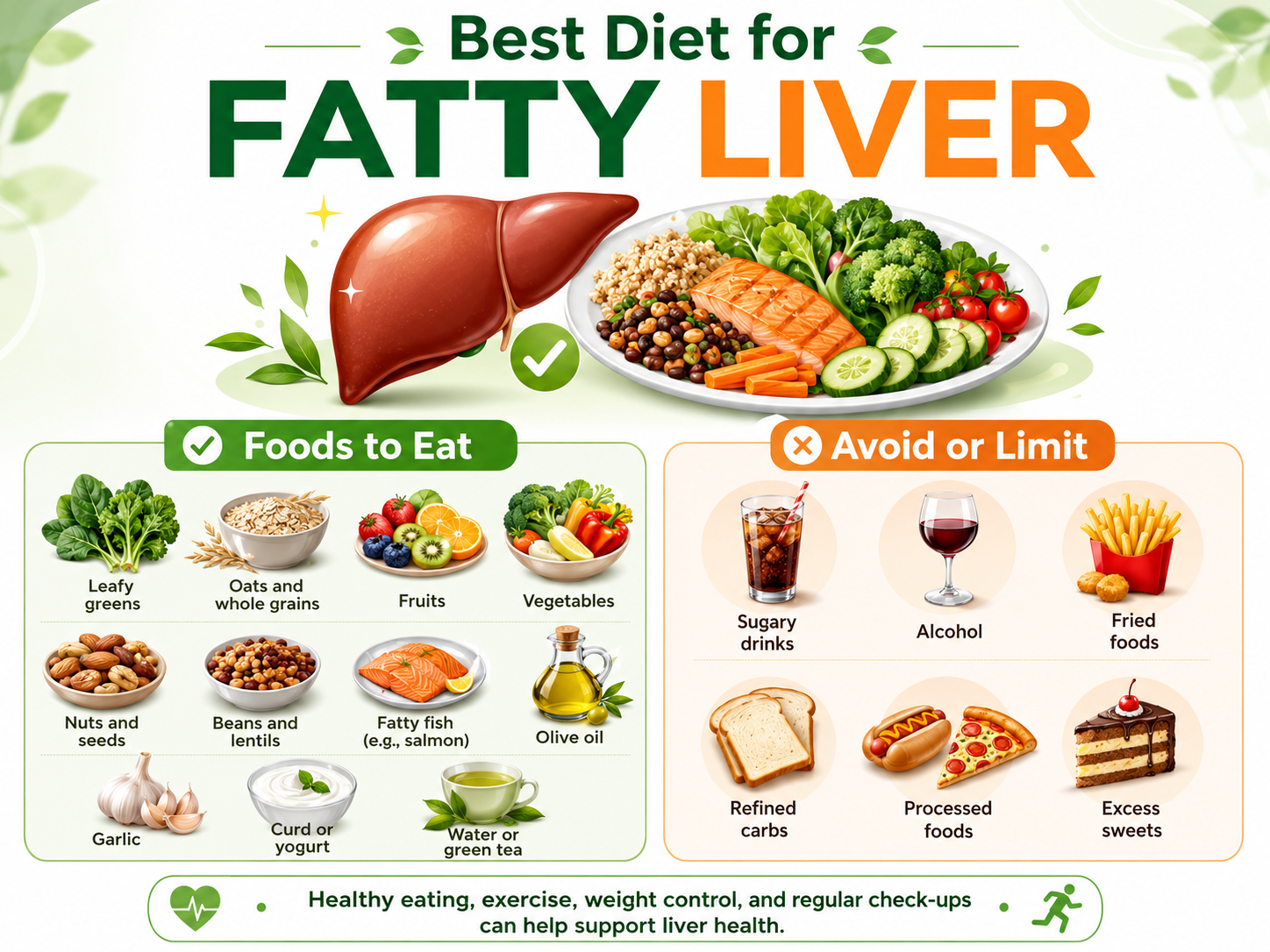
Diet plays a major role in fatty liver care. A fatty liver diet should be simple, practical, and sustainable. Crash dieting is not recommended because extreme dieting can create weakness and may not give long-term results.
For breakfast, good options include oats, dalia, sprouts, besan chilla, vegetable poha, curd, boiled eggs, or protein-rich homemade meals. Lunch can include roti, dal, vegetables, salad, curd, and controlled rice if needed. Dinner should be light and early.
Foods to avoid include cold drinks, sweetened juices, sweets, cakes, pastries, biscuits, fried snacks, chips, fast food, processed meat, excessive rice, maida products, and alcohol.
Foods to include are green vegetables, whole grains, pulses, beans, fruits in controlled portions, nuts in small quantity, seeds, curd, buttermilk, and clean protein sources.
A simple rule is: reduce sugar, reduce fried food, reduce alcohol, increase fiber, increase protein, and increase daily activity.
Best Medicine for Fatty Liver Grade 2
If your report shows Grade 2 fatty liver, do not panic, but do not ignore it. Grade 2 means the liver has moderate fat accumulation. This stage can often be improved with disciplined lifestyle changes and proper medical advice.
For Grade 2 fatty liver, a practical approach includes doctor consultation, liver function test, lipid profile, fasting sugar, HbA1c, weight management, alcohol avoidance, low-sugar diet, daily walking, and regular follow-up.
Many people search best medicine for fatty liver grade 2, but Grade 2 fatty liver does not have the same treatment for every person. If the person has diabetes, the doctor may focus on sugar control. If cholesterol or triglycerides are high, lipid management becomes important. If the person is overweight, weight reduction becomes the priority.
A liver support product may be used as part of a liver wellness routine, but it should not replace lifestyle correction or doctor-prescribed medicines.
Hepatogen Liver Care Range
For people looking for liver wellness support, Hepatogen offers a complete liver care range, including Hepatogen Syrup, Hepatogen Tablets, Hepatogen Capsules, and Hepatogen-DS Liver Tonic. This range is designed for people who want to support liver health along with better food habits, exercise, weight control, and regular medical monitoring.
Hepatogen Syrup is suitable for users who prefer a liquid liver tonic format. It can be convenient for people who want easy intake and regular liver wellness support.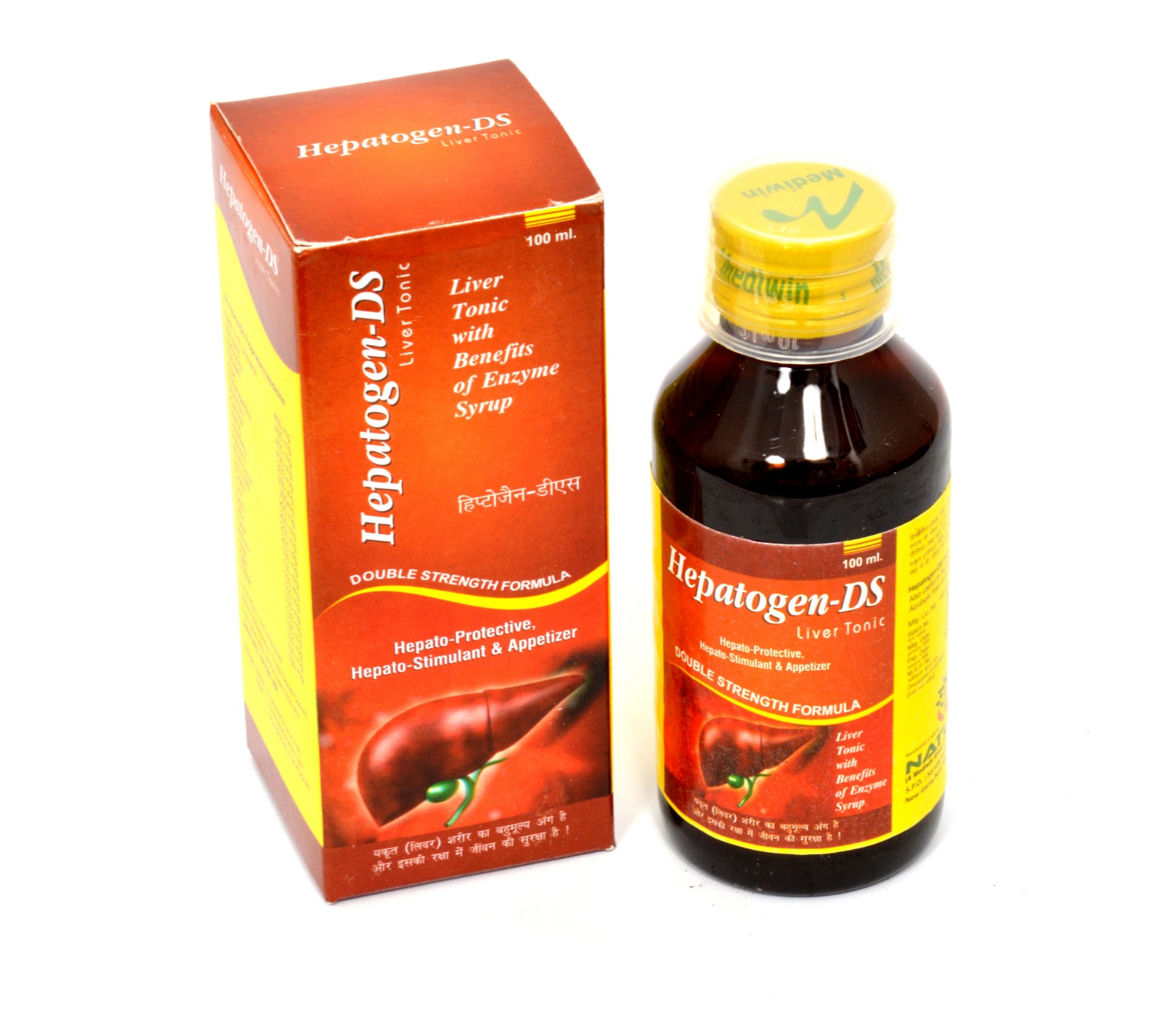
Hepatogen Tablets are suitable for people who prefer tablet-based liver care support. Tablets are easy to carry and simple to include in a daily routine.

Hepatogen-DS Liver Tonic is an additional liver care product in the Hepatogen range and may be used as part of a complete liver wellness routine.
Hepatogen Capsules are suitable for people who prefer capsule-based supplementation for liver wellness.
Hepatogen should be positioned as a supportive liver care product, not as a guaranteed cure for fatty liver, hepatitis, alcoholic liver disease, or liver damage. People who are already taking medicines for diabetes, cholesterol, blood pressure, TB, viral infection, or any long-term illness should consult a healthcare professional before using any liver support product.
How Hepatogen Fits Into a Fatty Liver Care Routine
Hepatogen can be added to a fatty liver care routine as supportive liver wellness care. It works best when combined with healthy food, daily exercise, weight management, alcohol avoidance, and regular check-ups.
A good liver care routine may include a morning walk, low-sugar breakfast, balanced lunch, reduced fried food, no alcohol, light dinner, proper sleep, and doctor-guided liver support such as Hepatogen.
This approach is more responsible because fatty liver needs complete care. A liver tonic may support liver wellness, but the main improvement comes from correcting the root cause.
Who Can Consider Hepatogen?
Hepatogen may be considered by people who want daily liver wellness support, people with unhealthy eating habits who are trying to improve their routine, people looking for a liver tonic, people concerned about fatty liver, and people who want liver support along with diet and exercise.
However, people with jaundice, severe liver disease, viral hepatitis, cirrhosis, pregnancy, kidney disease, or those taking multiple medicines should consult a doctor before using any liver care product.
What Not to Do in Fatty Liver
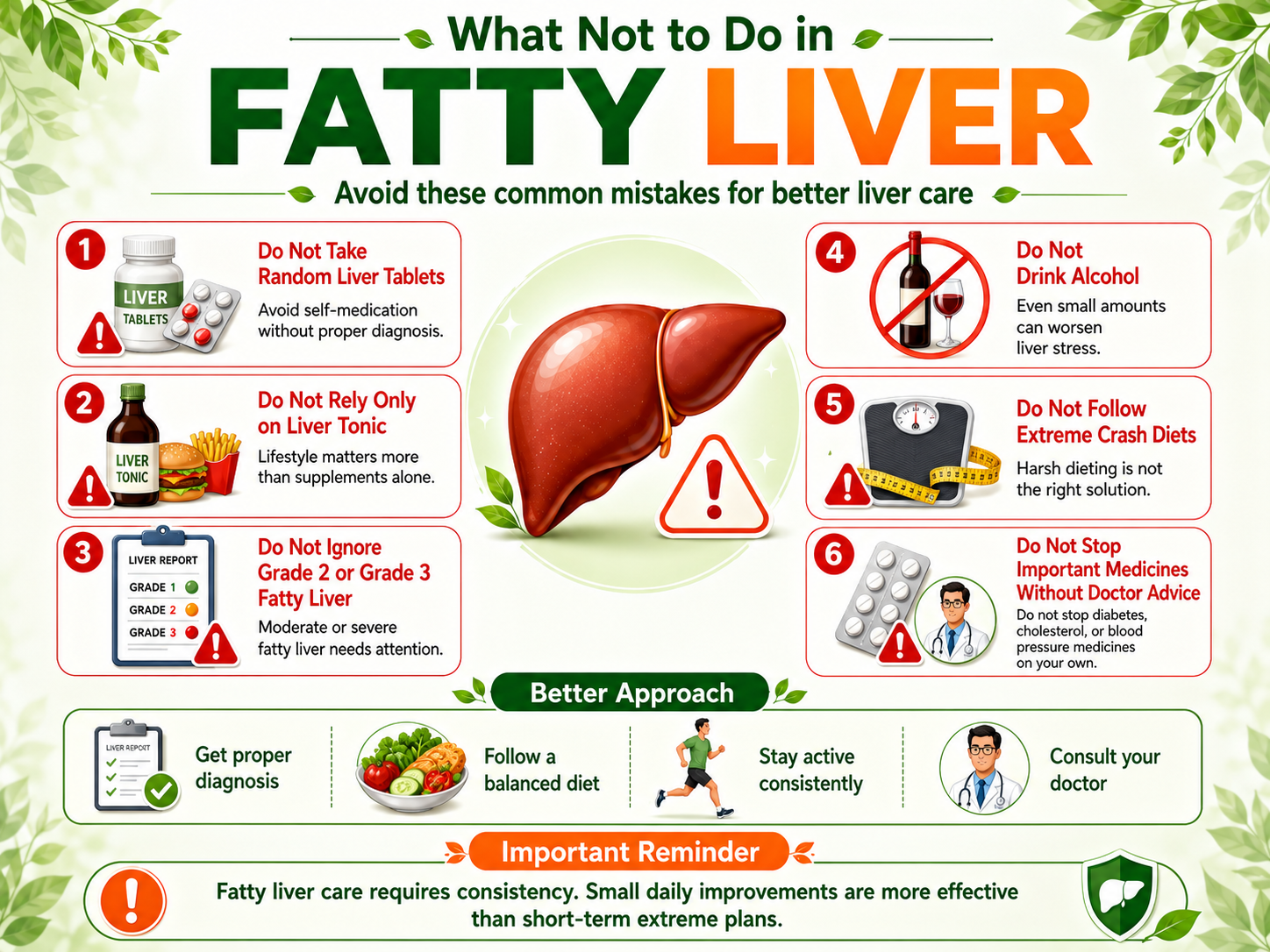
Do not take random liver tablets without proper diagnosis. Do not depend only on liver tonic while continuing unhealthy food habits. Do not ignore Grade 2 or Grade 3 fatty liver. Do not drink alcohol thinking small quantity is harmless. Do not follow extreme crash diets. Do not stop diabetes, cholesterol, or blood pressure medicines without doctor advice.
Fatty liver care requires consistency. Small daily improvements are more effective than short-term extreme plans.
Final Words
The best medicine for fatty liver is not one fixed tablet. The best solution is a complete liver care approach based on the cause, grade, test reports, and overall health condition. For most people, the foundation includes healthy diet, regular exercise, weight control, sugar control, cholesterol control, alcohol avoidance, and regular medical check-ups.
For people looking for additional liver wellness support, Hepatogen Syrup, Hepatogen Tablets, Hepatogen Capsules, and Hepatogen-DS Liver Tonic can be introduced as supportive liver care products. They are best used along with a disciplined lifestyle and proper medical guidance.
Fatty liver can improve, but it needs the right approach. Start with better food, daily movement, proper testing, and responsible liver support. Your liver works every day for your body, and with the right care, you can support better liver health naturally and consistently.