- Your cart is empty
- Continue Shopping

Liver Detox: Complete Guide to Support Liver Health Naturally
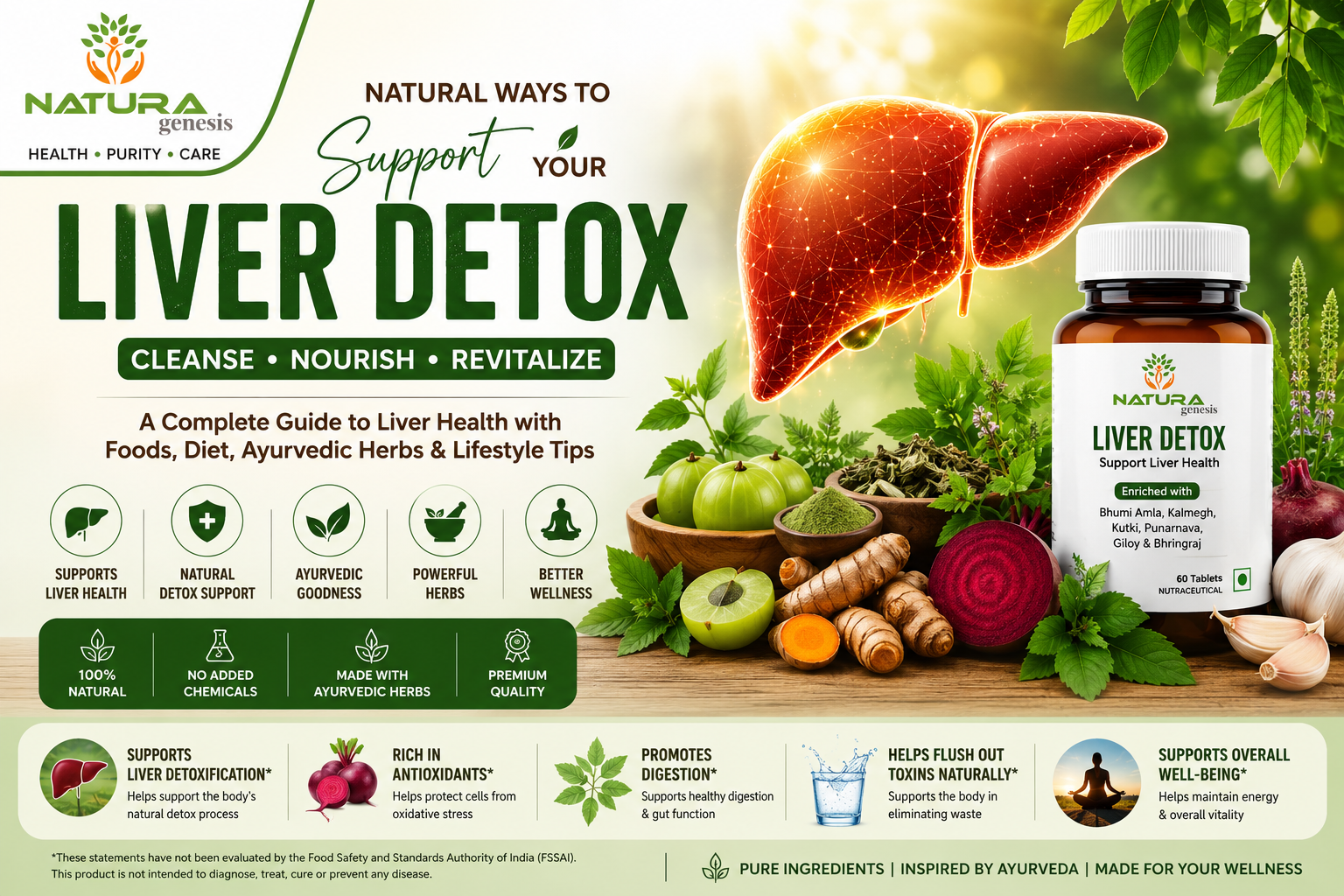
Everything You Need to Know About Liver Detox, Liver Function & Natural Liver Care
The liver is one of the most hardworking organs in the human body. It performs hundreds of essential functions every day, including filtering blood, processing nutrients, supporting digestion, storing vitamins, and helping the body eliminate waste products. Because of these responsibilities, maintaining good liver health is an important part of overall wellness.
In recent years, the term Liver Detox has become increasingly popular. Many people search for ways to “cleanse” or “detox” their liver after consuming unhealthy foods, alcohol, or due to concerns about modern lifestyles. While the liver naturally removes and processes many substances on its own, supporting its normal function through a healthy diet, regular exercise, adequate hydration, and appropriate lifestyle choices may contribute to long-term liver wellness.
If you are searching for Liver Detox, Natural Liver Detox, Best Liver Detox, How to Detox Your Liver Naturally, or Ayurvedic Liver Detox, this comprehensive guide explains what liver detox means, how the liver works, common factors that affect liver health, and evidence-informed lifestyle practices that support healthy liver function.
What is Liver Detox?
Liver Detox generally refers to practices intended to support the liver’s normal functions through healthy habits rather than “flushing” toxins from the body. The liver already has sophisticated biological systems that process and remove waste products as part of its normal role.
Supporting liver health may include:
- Eating a balanced, nutrient-rich diet
- Drinking enough water
- Staying physically active
- Maintaining a healthy body weight
- Getting adequate sleep
- Limiting alcohol consumption
- Avoiding unnecessary exposure to harmful substances
- Following medical advice regarding medications and supplements
Many herbal ingredients used in traditional wellness systems such as Ayurveda have a long history of use for supporting overall liver wellness. However, supplements should complement—not replace—a healthy lifestyle or medical care when needed.
Why is Liver Health So Important?
The liver performs more than 500 vital functions that help keep the body functioning normally. Because it supports many body systems simultaneously, maintaining liver health can positively influence overall well-being.
Some important liver functions include:
- Processing nutrients from food
- Producing bile to aid digestion
- Supporting fat metabolism
- Storing vitamins and minerals
- Helping regulate blood sugar through glycogen storage
- Processing hormones
- Assisting the body’s natural waste-removal processes
- Supporting normal protein production
- Participating in immune function
A healthy liver contributes to healthy digestion, balanced metabolism, and normal energy production.
How Does the Liver Naturally Remove Waste?
The liver is often described as the body’s natural filtration and processing center.
Its natural process generally involves:
Step 1: Blood Filtration
Blood from the digestive system passes through the liver, where many substances are processed before entering the rest of the body.
Step 2: Nutrient Processing
The liver converts nutrients from food into forms the body can store or use for energy and growth.
Step 3: Bile Production
The liver produces bile, which helps digest fats and supports the elimination of certain waste products.
Step 4: Storage
The liver stores vitamins such as A, D, E, K, and B12, along with minerals like iron, until the body needs them.
Step 5: Natural Waste Processing
The liver participates in the body’s normal processes for breaking down and processing metabolic waste, which is then eliminated through the digestive system or kidneys.
What Can Affect Liver Health?
Many everyday habits influence liver health over time. While occasional indulgence is common, consistently unhealthy habits may place additional stress on the liver.
Common factors include:
- High intake of processed foods
- Diets high in added sugars
- Excessive alcohol consumption
- Physical inactivity
- Obesity
- Smoking
- Poor sleep habits
- Chronic stress
- Certain medications (only as advised by a healthcare professional)
- Exposure to environmental pollutants
Adopting healthier daily habits can support normal liver function and overall wellness.
Common Signs That May Indicate Poor Liver Health
Some symptoms can have many possible causes, so they should not be used to diagnose a liver condition. If symptoms persist or worsen, consult a qualified healthcare professional.
Possible signs include:
- Persistent tiredness
- Low energy levels
- Poor appetite
- Digestive discomfort
- Feeling bloated after meals
- Nausea
- Difficulty digesting fatty foods
- Changes in skin or eye color (requires prompt medical evaluation)
- Unexplained weight changes
These symptoms may also be associated with many other health conditions.
Can Lifestyle Support Liver Health?
Yes. Healthy daily habits play an important role in supporting normal liver function.
Lifestyle practices include:
- Eating fresh fruits and vegetables
- Including whole grains in the diet
- Choosing lean protein sources
- Drinking sufficient water
- Exercising regularly
- Sleeping 7–8 hours daily
- Managing stress effectively
- Maintaining a healthy weight
- Avoiding tobacco products
- Limiting alcohol intake
These habits contribute not only to liver health but also to overall physical well-being.
Liver Detox in Ayurveda
Ayurveda emphasizes maintaining balance through proper nutrition, lifestyle, and herbal support. Rather than focusing on quick detox methods, Ayurvedic principles encourage long-term wellness through consistent healthy habits.
Traditionally used Ayurvedic herbs that are commonly associated with liver wellness include:
- Bhumi Amla (Phyllanthus niruri)
- Kalmegh (Andrographis paniculata)
- Kutki (Picrorhiza kurroa)
- Punarnava (Boerhavia diffusa)
- Bhringraj (Eclipta alba)
- Giloy (Tinospora cordifolia)
- Amla (Emblica officinalis)
These herbs have a long history of traditional use. Their suitability varies by individual, so consult an Ayurvedic practitioner or healthcare professional before use.
Why Choose a Natural Approach to Liver Wellness?
A sustainable approach to liver health focuses on daily habits rather than short-term “detox” trends.
Key principles include:
- Balanced nutrition
- Regular physical activity
- Adequate hydration
- Quality sleep
- Stress management
- Periodic health check-ups
- Traditional herbal support where appropriate
Maintaining these habits over time is generally more beneficial than relying on short-term detox programs.
Signs Your Liver May Need Support, Common Causes, Risk Factors & Fatty Liver Guide
Maintaining liver health is essential for overall well-being. Although the liver has an incredible ability to repair and regenerate itself, long-term unhealthy lifestyle habits may affect its normal functioning over time. Understanding the early signs of liver stress, common risk factors, and preventive measures can help you make informed decisions about your health.
Important: The symptoms discussed below are not specific to liver disorders and may be caused by many other medical conditions. If you experience persistent or severe symptoms, consult a qualified healthcare professional for proper evaluation.
Early Signs Your Liver May Need Support
In the early stages, liver-related concerns may not produce obvious symptoms. As a result, many people remain unaware until routine medical tests detect changes. Paying attention to your overall health and lifestyle is therefore important.
Some commonly reported symptoms include:
1. Constant Fatigue
Feeling tired despite getting enough sleep may indicate that your body is under stress. Persistent fatigue has many possible causes, one of which can be reduced liver function.
Possible signs:
- Low energy throughout the day
- Feeling exhausted after light activities
- Reduced productivity
- Lack of motivation
2. Poor Digestion
The liver produces bile, which helps digest dietary fats. When digestion is affected, people may experience digestive discomfort.
Common digestive complaints include:
- Bloating
- Indigestion
- Feeling full quickly
- Gas formation
- Difficulty digesting fatty meals
3. Reduced Appetite
Some individuals experiencing liver-related issues report a decreased desire to eat. A reduced appetite over time can also contribute to nutritional deficiencies.
4. Nausea
Occasional nausea is common and usually harmless. However, frequent nausea should be discussed with a healthcare provider to identify the underlying cause.
5. General Weakness
A healthy liver plays an important role in metabolism and energy production. General weakness can result from various conditions and should not be self-diagnosed.
6. Changes in Skin or Eyes
Yellowing of the skin or eyes (jaundice) requires prompt medical evaluation. It may indicate a serious liver or bile duct condition and should never be ignored.
7. Unexplained Weight Changes
Unexpected weight gain or weight loss may be associated with several health conditions, including metabolic disorders. Medical evaluation is recommended if changes are significant.
Common Causes That Can Affect Liver Health
Several everyday habits and health conditions can influence liver function.
Unhealthy Diet
A diet high in:
- Fried foods
- Sugary beverages
- Refined carbohydrates
- Processed snacks
- Trans fats
may contribute to poor metabolic health over time.
Excess Alcohol Consumption
Excessive alcohol intake is a well-known risk factor for liver damage. Limiting alcohol consumption supports overall liver health.
Physical Inactivity
A sedentary lifestyle may contribute to:
- Weight gain
- Fat accumulation
- Poor metabolic health
Regular physical activity supports overall wellness.
Obesity
Excess body weight is associated with an increased risk of developing metabolic dysfunction-associated fatty liver disease (MASLD), previously referred to as non-alcoholic fatty liver disease (NAFLD).
High Sugar Intake
Regular consumption of sugary drinks, sweets, and processed foods may contribute to excess fat storage in the liver.
Smoking
Smoking affects overall health and may increase oxidative stress in the body, which can indirectly impact liver health.
Certain Medications
Some medicines can affect the liver if used incorrectly or for prolonged periods. Always take medications only as prescribed by a healthcare professional.
Who Is at Higher Risk?
Certain groups may have a higher likelihood of developing liver-related problems.
Risk factors include:
- Overweight or obesity
- Type 2 diabetes
- High cholesterol
- High triglycerides
- Sedentary lifestyle
- Heavy alcohol consumption
- Poor dietary habits
- Family history of liver disease
- Metabolic syndrome
Having one or more risk factors does not necessarily mean liver disease is present, but it may increase the importance of regular health check-ups.
What is Fatty Liver?
Fatty liver occurs when excess fat accumulates inside liver cells. Small amounts of fat are normal, but excessive accumulation may interfere with normal liver function over time.
There are two broad categories:
Alcohol-Related Fatty Liver
Associated with excessive alcohol consumption.
Metabolic Dysfunction-Associated Fatty Liver Disease (MASLD)
Commonly associated with:
- Obesity
- Insulin resistance
- Diabetes
- High cholesterol
- Poor lifestyle habits
Many people with fatty liver experience no symptoms in the early stages.
Can Fatty Liver Be Prevented?
In many cases, healthy lifestyle choices may help reduce the risk of developing fatty liver.
Healthy habits include:
- Eating a balanced diet
- Exercising regularly
- Maintaining a healthy weight
- Limiting alcohol
- Drinking enough water
- Getting adequate sleep
- Managing blood sugar levels
- Following medical advice for existing health conditions
Liver Detox Myths vs Facts
| Myth | Fact |
|---|---|
| Detox drinks clean the liver overnight. | There is no evidence that any drink can instantly “clean” the liver. Healthy habits support normal liver function over time. |
| Expensive detox products are always necessary. | A balanced diet and healthy lifestyle are the foundation of liver wellness. |
| Only people who drink alcohol get liver disease. | Liver conditions can also occur due to obesity, diabetes, genetics, and metabolic factors. |
| Liver problems always cause pain. | Many liver conditions remain symptom-free during the early stages. |
| Herbal products can replace medical treatment. | Herbal supplements may support wellness but should not replace professional medical care when needed. |
Can Ayurveda Support Liver Wellness?
Ayurveda emphasizes long-term health through balanced nutrition, lifestyle practices, and traditionally used herbs. Rather than focusing on rapid detoxification, Ayurvedic principles encourage maintaining digestive balance, proper daily routines, and overall well-being.
Commonly used Ayurvedic herbs for liver wellness include:
- Bhumi Amla
- Kalmegh
- Kutki
- Punarnava
- Giloy
- Amla
- Bhringraj
These herbs have a long history of traditional use. Their use should be individualized and discussed with a qualified healthcare professional or Ayurvedic practitioner.
When Should You Consult a Doctor?
Seek medical advice if you experience:
- Persistent fatigue
- Yellowing of the eyes or skin
- Severe abdominal pain
- Swelling of the abdomen
- Persistent vomiting
- Dark urine or pale stools
- Unexplained weight loss
- Symptoms lasting for several weeks
Early diagnosis and appropriate treatment are important for maintaining liver health.
Best Foods for Liver Detox: Diet, Fruits, Drinks & Lifestyle Tips
One of the most effective ways to support your liver is by following a balanced diet and healthy lifestyle. While there is no single food or drink that can “detox” the liver overnight, consuming nutrient-rich foods may help maintain normal liver function and overall metabolic health.
If you’re looking for the best liver detox foods, natural liver cleanse diet, or foods that support liver health, this guide explains what to include in your daily routine.
Note: A healthy diet supports normal liver function but should not replace medical treatment for liver disease.
Best Foods for Liver Detox
A nutrient-rich diet provides vitamins, minerals, antioxidants, fiber, and healthy fats that contribute to overall liver wellness.
1. Green Leafy Vegetables
Green vegetables are rich in vitamins, minerals, fiber, and plant compounds that support a healthy diet.
Examples include:
- Spinach
- Fenugreek (Methi)
- Kale
- Mustard Greens
- Coriander Leaves
Benefits
- Rich in antioxidants
- High in dietary fiber
- Supports digestive health
- Contributes to overall wellness
2. Beetroot
Beetroot contains natural plant compounds and nutrients commonly included in healthy diets.
Benefits
- Rich in dietary nitrates
- Contains antioxidants
- Supports healthy eating habits
- Good source of fiber
3. Garlic
Garlic has been traditionally used in many cuisines and wellness practices.
Benefits
- Contains sulfur compounds
- Rich in antioxidants
- Supports a balanced diet
4. Turmeric
Turmeric is one of the most widely used spices in Ayurveda and Indian households.
Benefits
- Contains curcumin
- Natural antioxidant
- Traditionally used to support overall wellness
5. Amla (Indian Gooseberry)
Amla is highly valued in Ayurveda due to its nutritional profile.
Benefits
- Excellent source of Vitamin C
- Rich in antioxidants
- Supports immune health
- Traditionally used for digestive wellness
6. Walnuts
Walnuts provide healthy fats and essential nutrients.
Benefits
- Rich in Omega-3 fatty acids
- Source of antioxidants
- Supports heart and overall health
7. Oats
Whole grains such as oats contribute to a healthy eating pattern.
Benefits
- High in soluble fiber
- Supports digestive health
- Helps maintain satiety
8. Fatty Fish
Fish such as salmon, sardines, and mackerel provide Omega-3 fatty acids.
Benefits
- Healthy fats
- Supports cardiovascular health
- Part of a balanced diet
9. Olive Oil
Extra virgin olive oil is a healthy source of unsaturated fats.
Benefits
- Supports heart-healthy eating
- Rich in antioxidants
- Suitable for balanced diets
10. Fresh Fruits
Fresh fruits provide vitamins, minerals, water, and fiber.
Best options include:
- Apples
- Papaya
- Pomegranate
- Oranges
- Grapes
- Berries
Best Fruits for Liver Health
Some fruits commonly included in liver-friendly diets include:
Apples
- Rich in fiber
- Supports digestive health
Pomegranate
- Rich in antioxidants
- Provides Vitamin C
Papaya
- Easy to digest
- Contains vitamins and fiber
Grapefruit
Contains nutrients and antioxidants but may interact with certain medications. Consult your healthcare provider if you take prescription medicines.
Berries
- Blueberries
- Strawberries
- Blackberries
Rich in antioxidants and dietary fiber.
Best Drinks That Support Liver Health
Hydration plays an important role in overall health.
Some beverages commonly included in healthy diets include:
Water
The simplest and most important drink.
Aim for adequate daily water intake based on your activity level and healthcare advice.
Lemon Water
Provides hydration and Vitamin C.
Coconut Water
Contains electrolytes and helps maintain hydration.
Green Tea
Contains natural antioxidants and can be enjoyed in moderation as part of a balanced diet.
Herbal Drinks
Traditional herbal beverages prepared with ingredients such as:
- Amla
- Giloy
- Tulsi
- Ginger
may be included as part of a healthy lifestyle where appropriate.
Foods to Avoid for Better Liver Health
Limiting certain foods may support overall metabolic and liver health.
Reduce intake of:
- Deep-fried foods
- Fast food
- Sugary beverages
- Packaged snacks
- Refined sugar
- Excess salt
- Processed meats
- Excessive alcohol
- Highly processed bakery products
A balanced diet emphasizing whole foods is generally recommended.
7-Day Liver-Friendly Diet Plan
Day 1
Breakfast
- Oats with fresh fruits
Lunch
- Brown rice
- Dal
- Mixed vegetables
- Salad
Dinner
- Vegetable soup
- Chapati
- Green vegetables
Day 2
Breakfast
- Vegetable poha
- Fresh fruit
Lunch
- Grilled paneer
- Salad
- Chapati
Dinner
- Moong dal
- Mixed vegetables
Day 3
Breakfast
- Idli with sambar
Lunch
- Millet roti
- Vegetable curry
Dinner
- Vegetable khichdi
Day 4
Breakfast
- Smoothie with banana and oats
Lunch
- Rajma
- Brown rice
Dinner
- Soup with salad
Day 5
Breakfast
- Sprouts salad
Lunch
- Dal
- Chapati
- Vegetables
Dinner
- Steamed vegetables
Day 6
Breakfast
- Vegetable upma
Lunch
- Quinoa
- Mixed vegetables
Dinner
- Lentil soup
Day 7
Breakfast
- Fresh fruits
- Yogurt
Lunch
- Rice
- Dal
- Salad
Dinner
- Vegetable stew
Daily Lifestyle Tips for Better Liver Health
Supporting your liver isn’t only about food. Daily habits matter too.
Stay Hydrated
Drink enough water throughout the day to support normal body functions.
Exercise Regularly
Aim for at least 150 minutes of moderate physical activity per week, such as brisk walking, cycling, or swimming, in line with general health recommendations.
Maintain a Healthy Weight
Maintaining a healthy body weight may help reduce the risk of metabolic health issues associated with liver wellness.
Get Quality Sleep
Adults should generally aim for 7–9 hours of sleep each night to support overall health.
Manage Stress
Chronic stress can affect overall well-being.
Stress management techniques include:
- Meditation
- Yoga
- Deep breathing
- Walking
- Spending time outdoors
Avoid Smoking
Smoking affects multiple organs, including the cardiovascular and respiratory systems. Avoiding tobacco supports overall health.
Limit Alcohol
If you consume alcohol, do so responsibly and according to public health recommendations. People with liver disease should follow their healthcare provider’s advice.
Can Ayurvedic Herbs Support Liver Wellness?
Ayurveda has traditionally used several herbs to support digestive and liver health as part of a holistic lifestyle.
Common herbs include:
- Bhumi Amla
- Kalmegh
- Kutki
- Punarnava
- Giloy
- Amla
- Bhringraj
These herbs have a long history of traditional use. They should be used responsibly and preferably under the guidance of a qualified Ayurvedic practitioner or healthcare professional.